The red-necked longhorn beetle in Japan, now
Aromia bungii, native to East Asia, was first found in Japan in 2012, on cherry trees in Aichi Prefecture. By the national control strategy of 11 September 2026, it had damaged trees in 22 of Japan's 47 prefectures. This page tracks where it is, municipality by municipality, and is updated every morning.
Now
with damage on the national list of 11 September 2026, out of 47
with damage on the same list. Another 234 border them
first confirmed in 2026: Nagano, Gifu, Fukui, Yamanashi, Okayama, Kagawa
where damage was first reported after the national list (as of 18 October 2026)
Check the base of trees for frass through October. Fell infested trees in autumn or winter, when no adults are out. Where the town offers a subsidy, apply before the work starts.
The beetle is spreading inside each town, too. In Gunma Prefecture, the number of damaged trees went from 682 in fiscal 2017 to 13,927 in fiscal 2025, about 20 times in eight years. In Tatebayashi, where it was first found in Gunma, over 1,200 trees have been damaged every year for seven years running, despite control work.
Sources: Ministry of Agriculture, Forestry and Fisheries (MAFF) and Ministry of the Environment, national control strategy, reference 2 (11 Sep 2026); MAFF, confirmed occurrences as of August 2026; Gunma Prefecture, damage survey for fiscal 2025 (links below).
By prefecture
Each prefecture's status comes mechanically from the national list. It is not our own judgement.
| Prefecture | First found | Status | Municipalities with damage |
|---|---|---|---|
| Aichi 愛知県 | 2012 | Established | 18Established 7 · Front line 10 · Outlier 1 |
| Saitama 埼玉県 | 2013 | Established | 57Established 46 · Front line 11 |
| Gunma 群馬県 | 2015 | Established | 32Established 23 · Front line 9 |
| Tokyo 東京都 | 2015 | Established | 24Established 8 · Front line 16 |
| Osaka 大阪府 | 2015 | Established | 35Established 33 · Front line 2 |
| Tokushima 徳島県 | 2015 | Emerging | 5Front line 5 |
| Tochigi 栃木県 | 2016 | Established | 20Established 11 · Front line 9 |
| Wakayama 和歌山県 | 2017 | Established | 18Established 13 · Front line 5 |
| Ibaraki 茨城県 | 2019 | Established | 13Established 8 · Front line 4 · Outlier 1 |
| Nara 奈良県 | 2019 | Established | 30Established 25 · Front line 5 |
| Mie 三重県 | 2019 | Established | 9Established 4 · Front line 5 |
| Kanagawa 神奈川県 | 2021 | Emerging | 7Front line 4 · Outlier 3 |
| Hyogo 兵庫県 | 2022 | Established | 11Established 4 · Front line 7 |
| Kyoto 京都府 | 2024 | Established | 13Established 4 · Front line 9 |
| Chiba 千葉県 | 2024 | Established | 5Established 1 · Front line 4 |
| Shiga 滋賀県 | 2025 | Emerging | 2Front line 1 · Outlier 1 |
| Nagano 長野県 | 2026 | Emerging | 3Front line 3 |
| Gifu 岐阜県 | 2026 | Emerging | 2Front line 2 |
| Fukui 福井県 | 2026 | Emerging | 1Front line 1 |
| Yamanashi 山梨県 | 2026 | Emerging | 2Front line 1 · Outlier 1 |
| Okayama 岡山県 | 2026 | Emerging | 1Outlier 1 |
| Kagawa 香川県 | 2026 | Emerging | 1Outlier 1 |
Neighbouring (no damage yet, but next to an infested municipality): Fukushima, Niigata.
No record: Hokkaido, Aomori, Iwate, Akita, Miyagi, Yamagata, Toyama, Ishikawa, Tottori, Shimane, Hiroshima, Yamaguchi, Fukuoka, Shizuoka, Ehime, Oita, Saga, Nagasaki, Kochi, Miyazaki, Kumamoto, Kagoshima, Okinawa. This means only that they are not on the national list.
Prefecture names link to our Japanese pages, which list every municipality, local contacts and news.
New finds after the national list
The national list dates from 11 September 2026. We add each new place only after reading the prefecture or municipal announcement, or the full news article. Numbers are given oldest first and never change.
| No. | Date | Where | Confirmed by | Source |
|---|---|---|---|---|
| 13 | 2026-10-18 | Higashiura Town, Aichi 愛知県東浦町 | Official | 愛知県 |
| 12 | 2026-10-16 | Komi Town, Nagano 長野県小海町 | Official | 長野県 自然保護課 |
| 11 | 2026-09-30 | Minamiaiki Village, Nagano 長野県南相木村 | Official | 信濃毎日新聞デジタル |
| 10 | 2026-09-25 | Tatsuno Town, Nagano 長野県辰野町 | Official | 信濃毎日新聞デジタル |
| 9 | 2026-09-11 | Tomi City, Nagano 長野県東御市 | Official | 信濃毎日新聞デジタル |
| 8 | 2026-10-09 | Amagasaki City, Hyogo 兵庫県尼崎市 | Official | 神戸新聞 |
| 7 | 2026-10-06 | Ueda City, Nagano 長野県上田市 | Official | dメニューニュース |
| 6 | 2026-10-02 | Komoro City, Nagano 長野県小諸市 | Official | dメニューニュース |
| 5 | 2026-10-02 | Minamimaki Village, Nagano 長野県南牧村 | Official | dメニューニュース |
| 4 | 2026-09-28 | Ichinomiya City, Aichi 愛知県一宮市 | Official | Yahoo!ニュース |
| 3 | 2026-09-28 | Minabe Town, Wakayama 和歌山県みなべ町 | Press | 産経新聞 |
| 2 | 2026-09-18 | Nagano City, Nagano 長野県長野市 | Official | Yahoo!ニュース |
| 1 | 2026-09-14 | Miki City, Hyogo 兵庫県三木市 | Official | 兵庫県(公式) |
Official: checked on a prefecture or municipal web page. Press: only news reports so far. Sources are in Japanese. A short Japanese summary of each is in the CSV below.
How to spot it
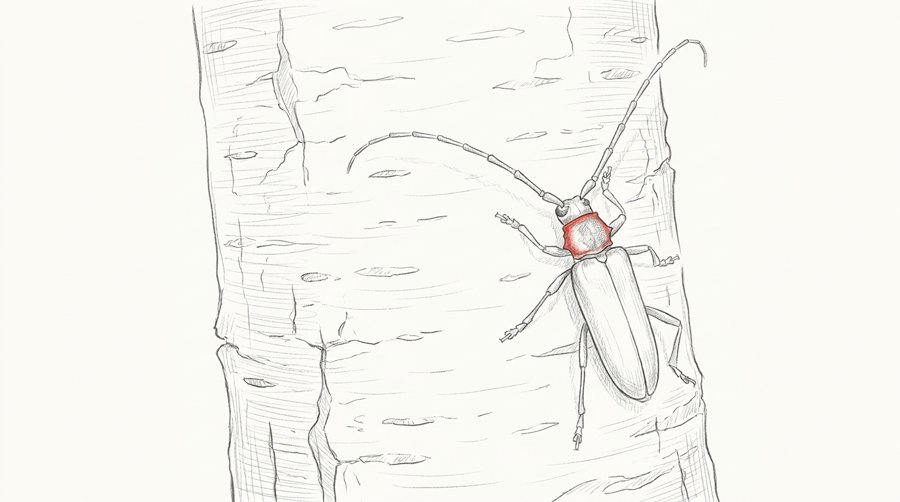 A glossy black beetle with a red neck2.5–4 cm long. On trunks from June to August.
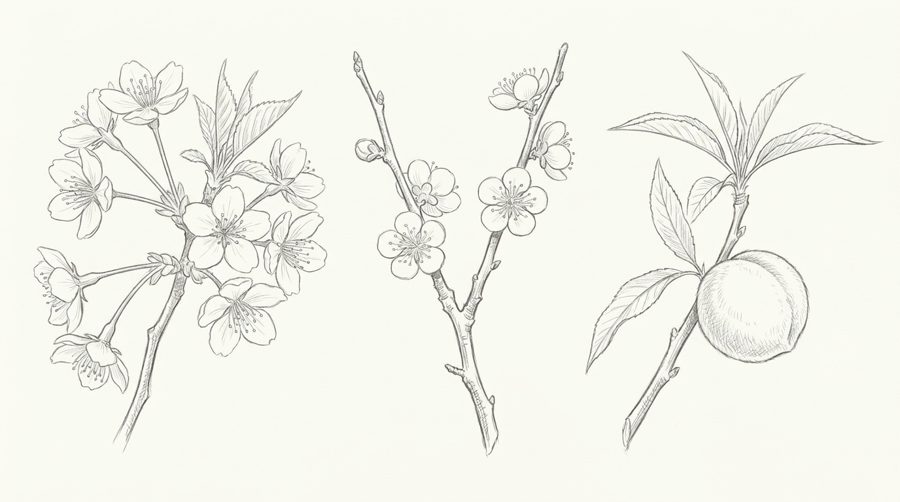 It attacks cherry, ume and peachAlso Japanese plum, apricot and prune. Older, larger trees are hit first.
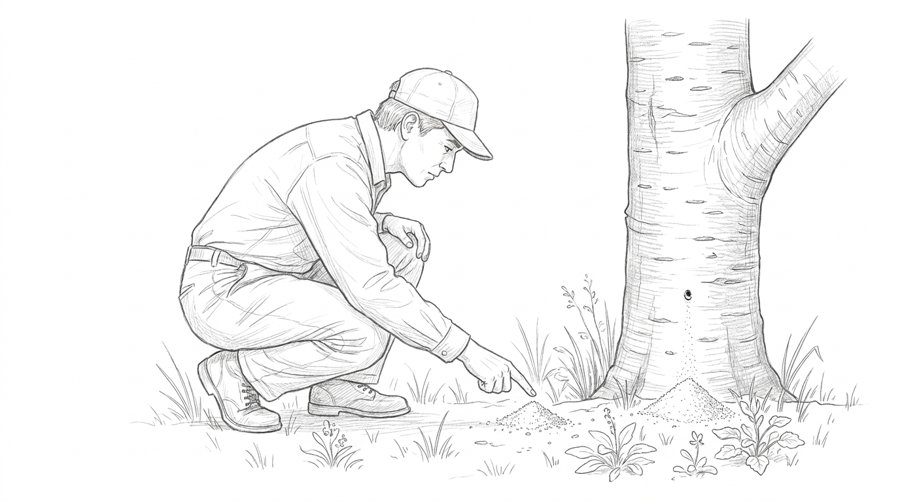 Noodle-like frass at the base of the trunkLarvae live inside the wood; frass is usually all you can see.
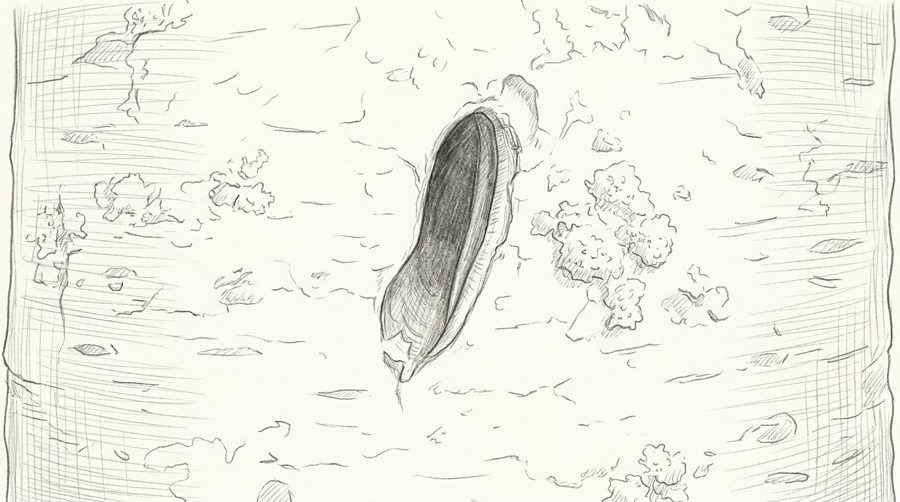 Oval exit holes, longer vertically2–3 cm long. Left by emerging adults.
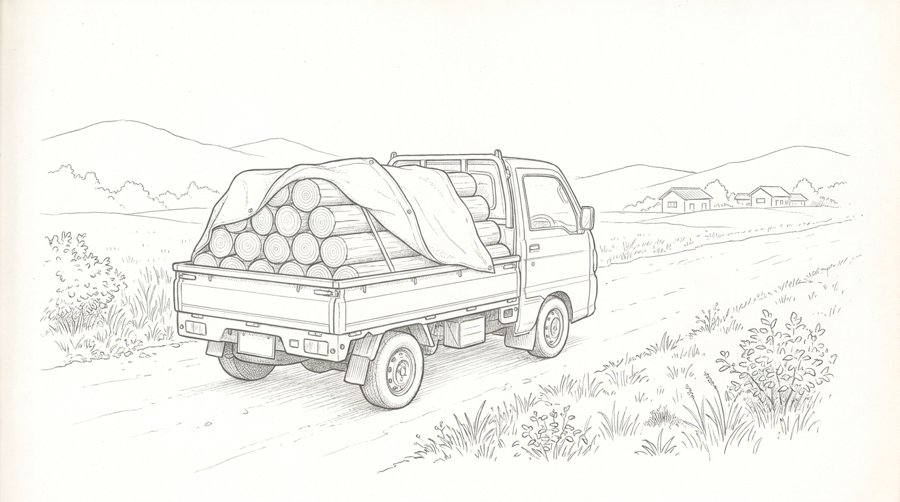 People carry it far by moving woodFelled infested wood should be chipped or burned by around April, before adults emerge.
Damage is often found on flowering cherries in parks, along rivers and in gardens, and fruit orchards are hit too. In autumn 2026, damage was found for the first time in an ume orchard in Minabe, Wakayama, the home of Nanko ume, and in an ume orchard in Gifu.
Japan's rules, and how they differ from the EU
- January 2018: designated a Specified Invasive Alien Species under the Invasive Alien Species Act. Moving or keeping live beetles is prohibited in principle.
- September 2026: the national government set a control strategy that sorts every affected municipality into the four categories above, with outliers as the top priority.
- Rewards: some municipalities reward residents for killed adult beetles with cash, local vouchers or prizes. We list 16 schemes, from ¥30 to ¥1,000 per beetle; 5 are open now.
In Europe, Germany has held its single outbreak (found in 2011 in a home garden in Bavaria) to one site: 57 infested trees in 2018, one in 2025. Italy has outbreaks in four regions. In the United States and the United Kingdom, beetles were intercepted at ports and warehouses and have not established.
Sources: Ministry of the Environment; EPPO Global Database and Reporting Service (2012/090, 2025/064, 2025/171); Commission Implementing Regulation (EU) 2025/2520.
Forecast, and how well it did
We divided Japan into 3,868 cells of about 10 km square and spread the beetle year by year in three ways: walking to the next cell, jumping 3–40 km (outliers), and being carried 40–200 km with wood. Cold cells were excluded. We ran it 200 times.
- If spread continues at the current pace: 194 infested cells now, 1,169 in 20 years, and 32 prefectures.
- If outlier jumps and long-distance transport were stopped: 828 cells and 25 prefectures. The difference, 341 cells, is about 30% of the damage in 20 years.
- Backtest: standing in fiscal 2021 and predicting 2022–2025 in Saitama and Gunma, 13 of the 19 cells the model called new were actually infested (68%), against 39% for random cells nearby. One to two years ahead it fit; further ahead, the real spread was faster than the model.
We fixed a forecast on 28 September 2026 (Saitama and Gunma: 84 → 91 infested municipalities in fiscal 2026) and will compare it when the prefectures publish. Details and maps are on the Japanese forecast page.
Data
All data compiled here is free to use under CC BY 4.0: credit "Kubiaka no Ima" with the URL. Each row has the 6-digit local government code, so it joins easily with other Japanese statistics.
Download CSV (English)Municipalities (543)New finds (13)Rewards (16)
README. The source is the national control strategy, reference 2 (11 Sep 2026), reorganised by us municipality by municipality (Public Data License 1.0 of the Government of Japan). It is not a government publication. Romanised names are converted automatically from kana and may differ from official spellings.
About this page
Kubiaka no Ima ("the red-necked beetle, now") gathers Japanese news, government pages and observation records every morning at 6:00 JST. New places, numbers and rewards are added only after reading the original source. Anything we could not confirm is marked unconfirmed.
Made and run by Senteiya Sora, a small tree-care business in Komono, Mie Prefecture. To report an error, use the form on the Japanese about page.
- MAFF: national control strategy (Japanese)
- MAFF: confirmed occurrences as of August 2026 (PDF, Japanese)
- Ministry of the Environment (Japanese)
- Gunma Prefecture: damage survey (Japanese)
- EPPO Global Database: Aromia bungii distribution
- Commission Implementing Regulation (EU) 2025/2520
- iNaturalist: Aromia bungii